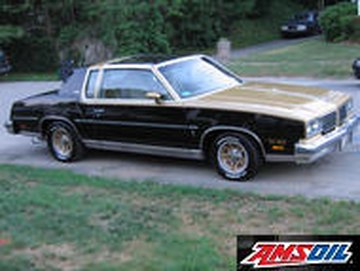
Maintaining Lubrication Standards for the 1980 Oldsmobile CALAIS 3.8L
Proper engine maintenance is a cornerstone of long-term vehicle health, particularly when managing an engine from the early 1980s. For the 1980 Oldsmobile CALAIS equipped with a 3.8L engine, consistent attention to lubrication and routine inspections can help ensure the mechanical components continue to operate as intended. Because vehicles of this era rely on specific mechanical tolerances and material compositions, following a disciplined service approach is essential for any owner looking to preserve the vehicle's condition.Monitoring Fluid Integrity and Potential Leaks
One of the most effective ways to monitor the health of the 3.8L engine is through regular visual inspections of the engine bay and undercarriage. Over time, various seals and gaskets may undergo changes due to heat cycles and age. It is useful to look for any signs of fluid seepage or active leakage around the engine block and connection points. When performing these checks, observe the following:- Check for wetness or dark staining on the underside of the engine components, which can indicate a slow seep from a gasket or seal.
- Inspect the area surrounding the oil drain plug and the filter mounting area to ensure there is no evidence of recent leakage after a service.
- Look for any accumulation of fluid in the bottom of the oil pan or on the ground where the vehicle is typically parked.
Managing Engine Components and Aging Materials
As a vehicle ages, certain peripheral components require closer attention during routine service. For an owner of a 1980 Oldsmobile CALAIS, this means moving beyond just changing the oil and looking at the broader engine environment. If equipped, inspect accessible drive belts for signs of wear such as cracking, glazing, or fraying. Similarly, if the vehicle is present with various rubber hoses, check them for excessive softness, brittleness, or bulging. These components are subject to constant thermal stress, and their condition can impact the overall reliability of the engine's supporting systems. Furthermore, ensuring that the air filtration system is clean is a vital part of maintaining internal engine cleanliness. A restricted air intake can affect how the engine breathes, which may indirectly influence the environment in which the lubricant operates. Keeping these secondary systems in good order supports the primary goal of efficient engine operation.Prioritizing Maintenance Through Documentation
For long-term ownership, establishing a clear history of what has been performed on the 3.8L engine is highly beneficial. If you are currently unaware of the vehicle's full service history, your first priority should be to establish a maintenance baseline. This involves performing a thorough inspection and documenting the current state of all fluids, filters, and visible mechanical components. Maintaining detailed records provides several advantages:- It allows you to track the frequency of oil changes and other essential services.
- It helps in identifying patterns, such as whether certain components require more frequent inspection than others.
- It provides a clear reference for any future repairs or when attempting to diagnose new symptoms.
Understanding Lubricant Functionality
Engine oil performs several vital roles that go beyond simple lubrication. It helps manage the heat generated during operation and assists in cleaning the internal surfaces of the engine by carrying away microscopic debris. Over time, even high-quality lubricants can become depleted of their protective additives or become contaminated by the natural processes occurring inside the engine. Regularly replacing the oil and filter is the primary method for ensuring these functions are maintained. By removing old, used lubricant, you prevent the buildup of deposits that could otherwise interfere with the smooth movement of mechanical parts. Staying consistent with your service routine helps maintain a clean environment within the engine, which is critical for any vehicle intended for continued use.Observing Changes in Engine Behavior
It is important to remain attentive to how the 1980 Oldsmobile CALAIS behaves during operation. While many mechanical issues develop slowly, some may present as sudden changes in performance or sound. If you notice unusual mechanical noises that coincide with engine operation, or if you observe any unexpected exhaust characteristics, these should be investigated promptly. It is also helpful to monitor the vehicle's consumption of fluids. If you find that you are needing to add oil more frequently than usual between service intervals, this can be an indicator that something requires attention. Always remember that symptoms like unusual odors or changes in engine sound can have multiple potential causes; therefore, they should be treated as a prompt for professional inspection rather than a definitive diagnosis of a specific part failure.Practical Advice for Buying Engine Oil for your 1980 Oldsmobile CALAIS 3.8L
When it is time to replenish your engine's lubricant, the most important step is to ensure that the product you select matches the specific requirements of your engine. For this 1980 Oldsmobile CALAIS 3.8L, do not rely on general automotive knowledge or assumptions based on the vehicle's age to determine what to buy. Instead, match the engine oil to the application-specific viscosity information already displayed on this webpage. When you are shopping for products, follow these practical steps:- Verify that the SAE viscosity grade on the bottle matches the information provided in your vehicle's application data.
- Check the product labeling to ensure it meets the appropriate API service classifications.
- Consider different formulations, such as conventional, synthetic blends, or high-mileage oils, based on the specific guidance provided for this engine. Some high-mileage oil formulations contain additives intended for use in aging engines, including seal-conditioning additives, which may be relevant depending on your engine's current condition.
- Always confirm that the container you are purchasing is appropriate for the volume and specifications required by your 3.8L engine.